
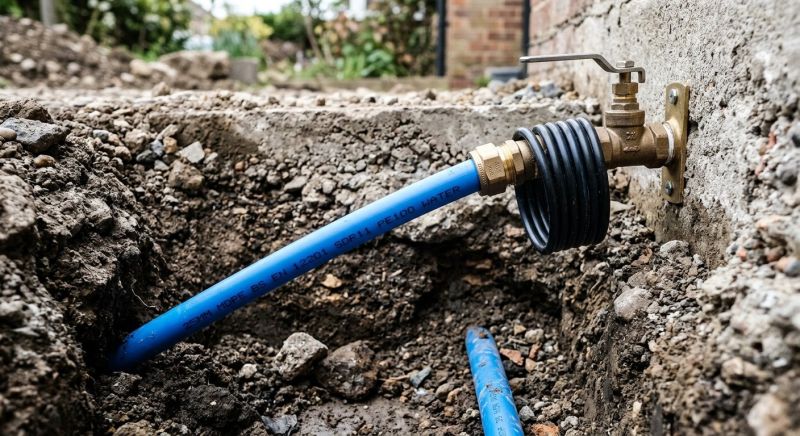
Plumbing Line Repair in Denver, CO
Plumbing line repair services address issues involving damaged, corroded, or broken pipes within a property’s plumbing system. These repairs can cover a variety of projects, including fixing leaks, replacing sections of old or deteriorated piping, and resolving blockages caused by pipe damage. Property owners typically want to understand the scope of the repair, the materials used, and how the work might impact their daily routines, especially if access to certain areas needs to be temporarily limited during the repair process.
Before requesting plumbing line repairs, homeowners should consider the location and extent of the problem, as well as any signs of pipe failure such as low water pressure, unusual noises, or water stains. It is also helpful to know whether the issue is isolated or part of a larger plumbing system concern. Clear communication about the specific issues and property layout can facilitate a more accurate assessment and ensure that the repair work addresses the root cause effectively.
Many property owners in Denver, CO look into Plumbing Line Repair for repairs, replacements, upgrades, and appearance-related improvements.
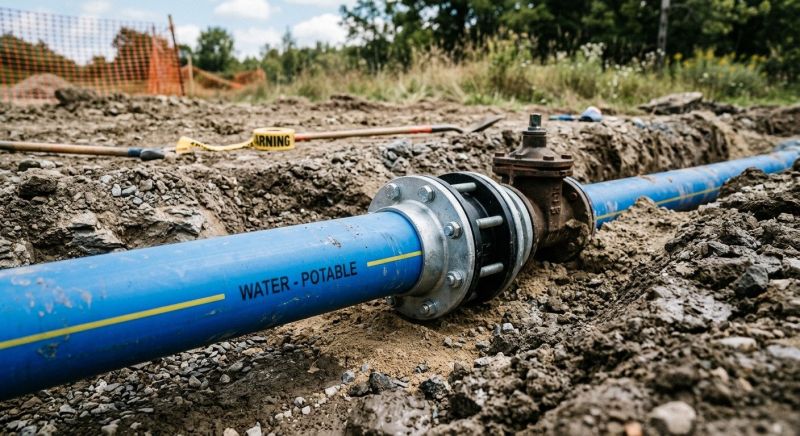
Signs Of Pipe Damage
Leaking, low water pressure, or strange noises may indicate a plumbing line issue.
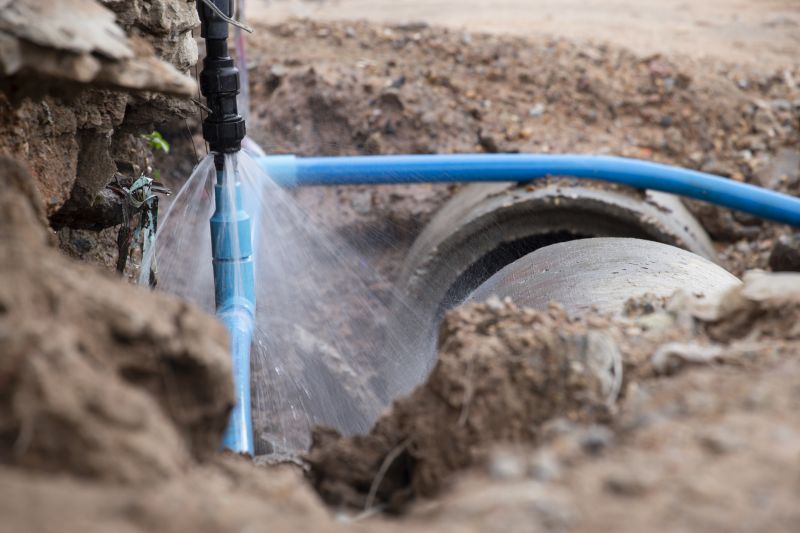
Common Repair Needs
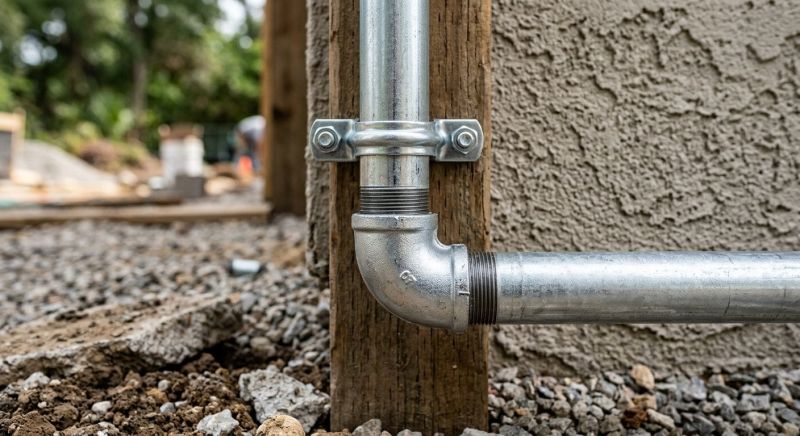
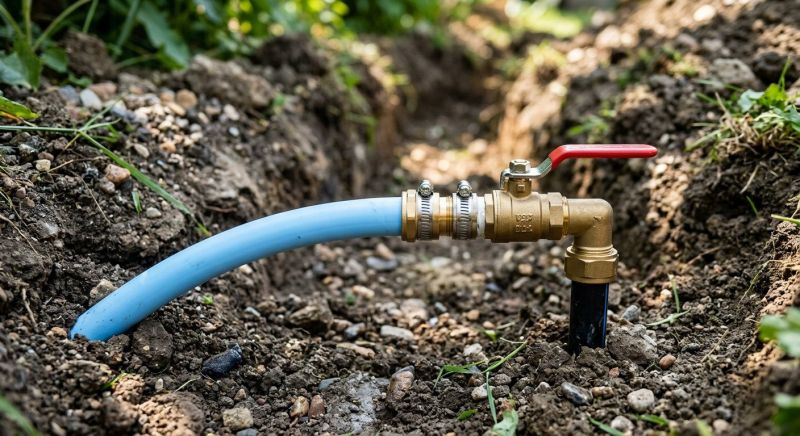
Replacing corroded pipes, fixing leaks, and clearing blockages are typical services for plumbing lines.
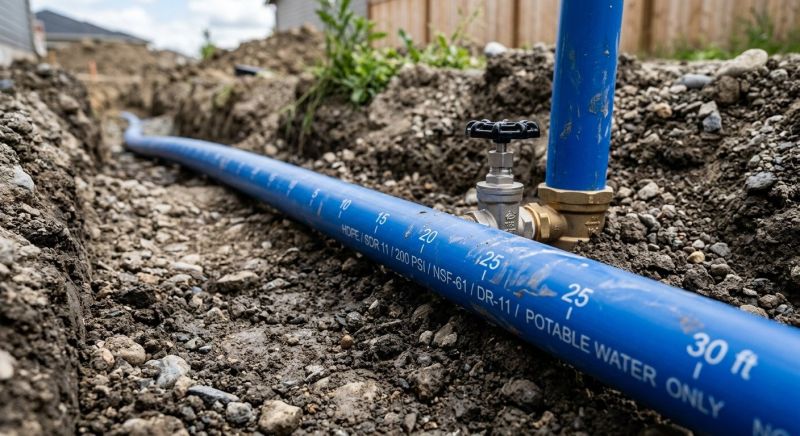
Preventive Maintenance
Regular inspections can help identify potential problems before they lead to costly repairs in denver homes.
Plumbing Line Repair in Denver, CO

Plumbing line repair services address issues involving damaged, corroded, or broken pipes within a property’s plumbing system. These repairs can cover a variety of projects, including fixing leaks, replacing sections of old or deteriorated piping, and resolving blockages caused by pipe damage. Property owners typically want to understand the scope of the repair, the materials used, and how the work might impact their daily routines, especially if access to certain areas needs to be temporarily limited during the repair process.
Before requesting plumbing line repairs, homeowners should consider the location and extent of the problem, as well as any signs of pipe failure such as low water pressure, unusual noises, or water stains. It is also helpful to know whether the issue is isolated or part of a larger plumbing system concern. Clear communication about the specific issues and property layout can facilitate a more accurate assessment and ensure that the repair work addresses the root cause effectively.
Many property owners in Denver, CO look into Plumbing Line Repair for repairs, replacements, upgrades, and appearance-related improvements.
Common Plumbing Line Repair Jobs
Leak Repairs - fixing hidden or visible leaks in pipes to prevent water damage.
Pipe Replacement - upgrading aging or damaged plumbing lines to ensure proper flow.
Drain Line Repair - resolving clogs or breaks in main or secondary drain lines.
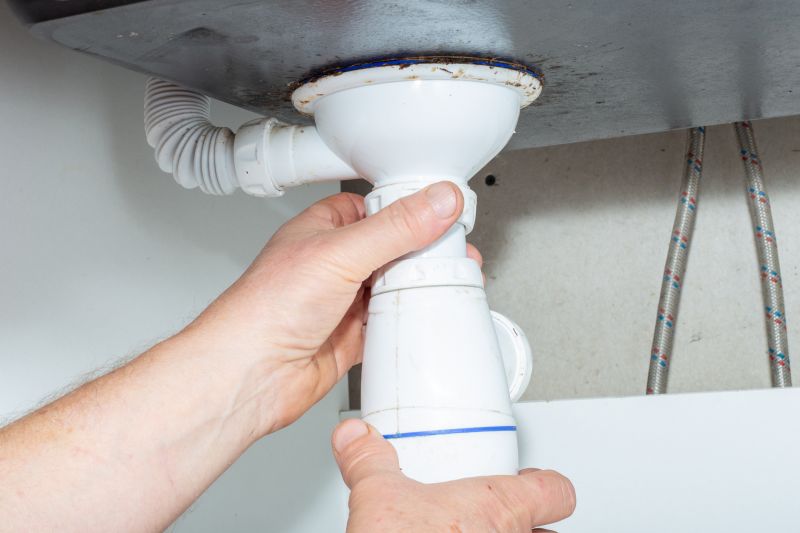
Fixture Connection Repairs - restoring secure connections for sinks, toilets, and appliances.
Frozen Pipe Thawing - safely unfreezing pipes to restore water flow during cold weather.
Emergency Line Repairs - addressing urgent pipe issues to minimize property damage.
Plumbing Line Repair Questions
What causes plumbing lines to need repair? Common causes include pipe corrosion, blockages, tree root intrusion, and shifting soil that can damage or crack pipes.
What signs indicate a plumbing line needs repair? Signs include persistent leaks, low water pressure, foul odors, or visible water pooling around the property foundation.
What types of plumbing line repairs are available? Repairs may involve patching leaks, replacing damaged sections, or full pipe replacement depending on the extent of the issue.
How can property owners prevent future plumbing line problems? Regular inspections, avoiding chemical drain cleaners, and managing tree roots near pipes can help reduce repair needs.
Request Plumbing Line Repair in Denver, CO
Use the quote form on this page to share the basics of your project and request more information for the type of work you need.